Discover how The Intern (2015) illustrates the power of customer orientation. Learn why putting customers first creates stronger brands than simply chasing sales.

Discover how The Intern (2015) illustrates the power of customer orientation. Learn why putting customers first creates stronger brands than simply chasing sales.

Learn how Girlboss explains brand naming strategy through Sophia Amoruso’s journey from brainstorming to creating Nasty Gal.
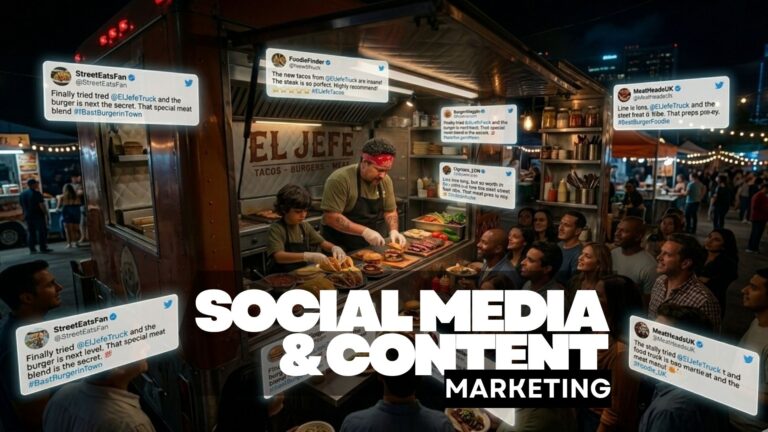
Discover how Chef (2014) demonstrates social media marketing and content marketing through storytelling, engagement, authenticity, and shareable content.
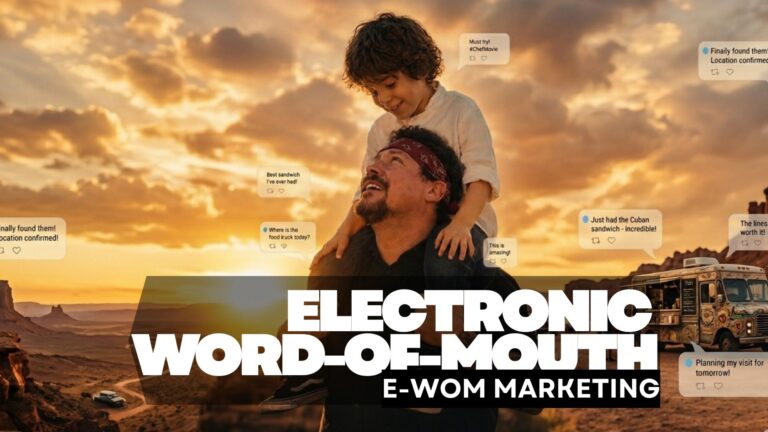
How did one viral tweet nearly destroy a chef’s career—and later help rebuild it? Explore eWOM, online reputation, and buzz in Chef (2014).
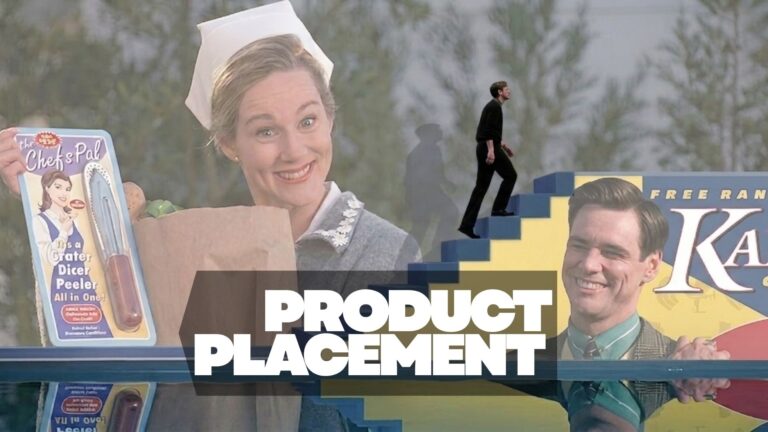
Explore how The Truman Show satirized product placement and predicted today’s influencer marketing, branded content, and native advertising strategies.

Discover how The Truman Show predicted hyper-personalization decades before social media algorithms. Explore the marketing psychology behind personalized realities and consumer behavior.

The Circle shows how better personalization often comes at the cost of less privacy. As the platform learns more about its users, convenience improves — but personal boundaries slowly disappear.

The Help shows how powerful Word of Mouth can be when a story creates real emotional impact. The film reminds us that people do not share advertisements—they share experiences, emotions, and stories worth talking about.
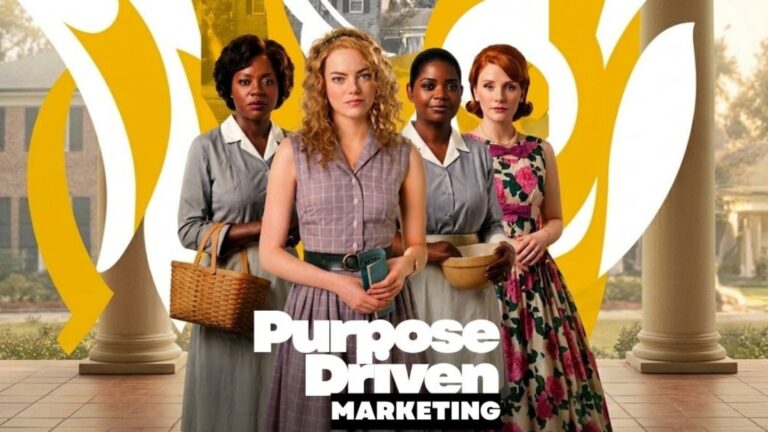
Purpose-driven marketing isn’t about launching polished campaigns—it’s about challenging the status quo in ways that create real impact. As The Help shows, if your brand isn’t taking risks or driving change, it’s not purpose—it’s just marketing.