
Discover how Charlie and the Chocolate Factory (2005) reflects VALS psychographic segmentation and why marketers care more about customer motivations than demographics.


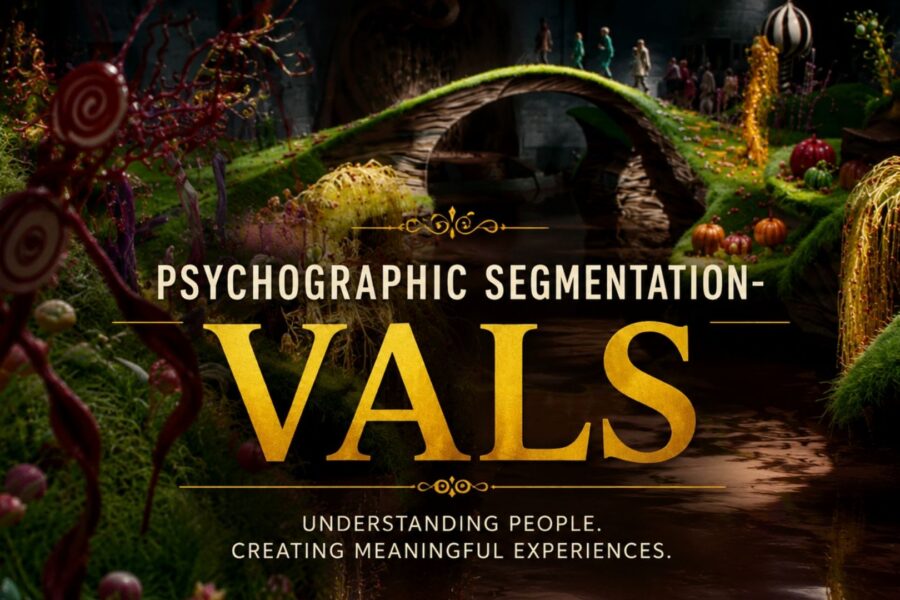

Discover how Charlie and the Chocolate Factory (2005) reflects VALS psychographic segmentation and why marketers care more about customer motivations than demographics.
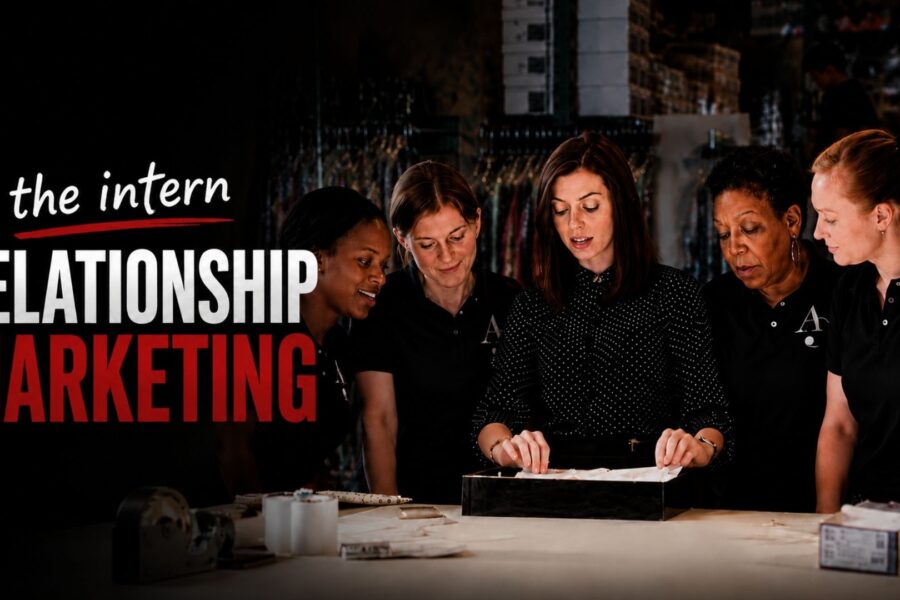
Discover how The Intern (2015) illustrates the power of relationship marketing. Learn why long-term relationships with customers, employees, suppliers, and investors create stronger brands than transactions alone.

Discover how The Intern (2015) illustrates the power of customer orientation. Learn why putting customers first creates stronger brands than simply chasing sales.
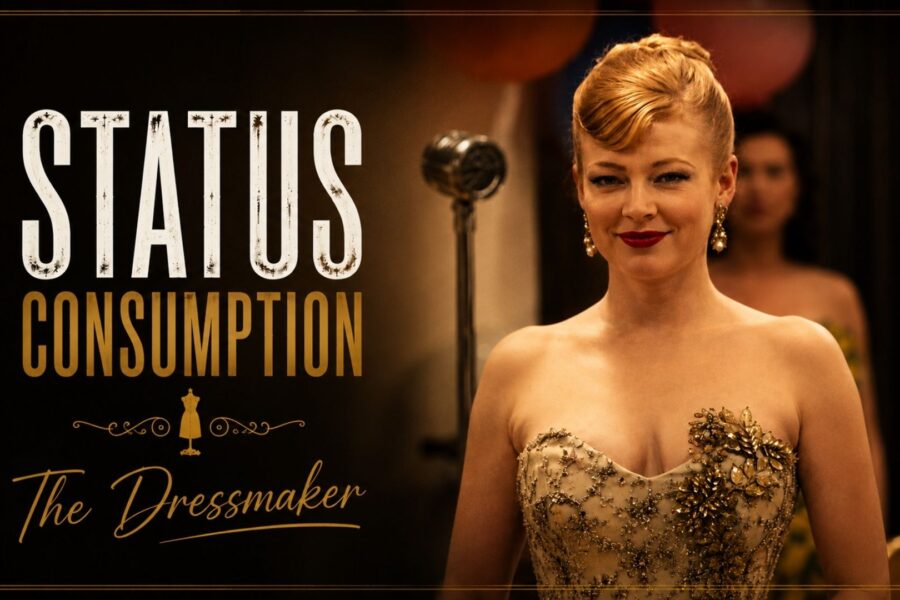
Explore the hidden marketing lesson in The Dressmaker and learn how Status Consumption shapes consumer behavior, identity, and social perception.
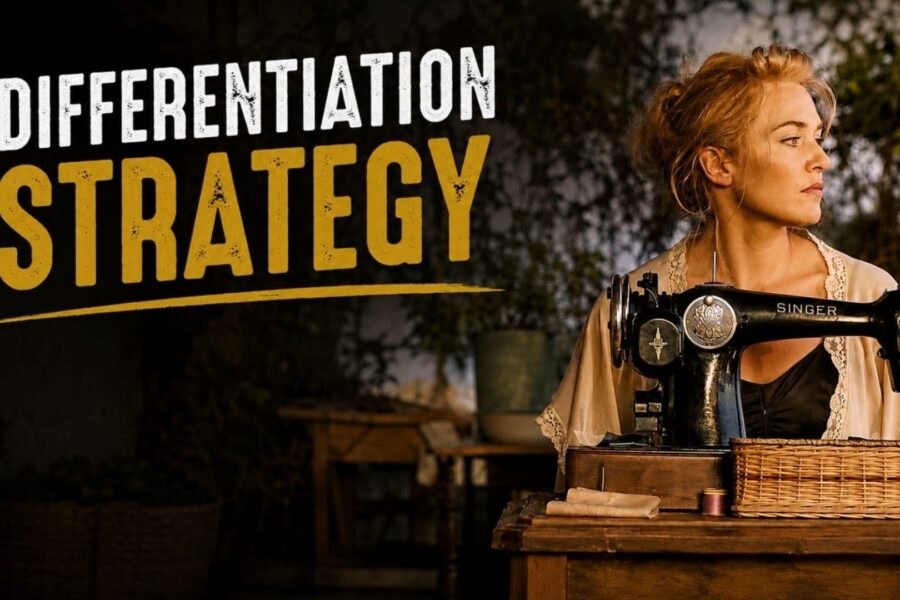
Discover how The Dressmaker perfectly illustrates Differentiation Strategy. Learn why creating unique customer value beats competing on price.

Learn how Girlboss explains brand naming strategy through Sophia Amoruso’s journey from brainstorming to creating Nasty Gal.
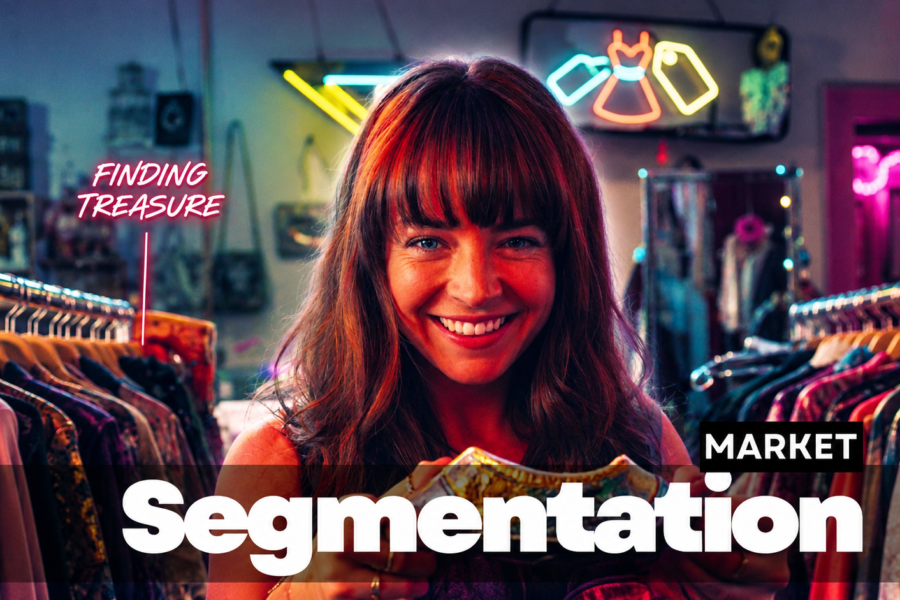
Discover how Girlboss perfectly illustrates Market Segmentation. Learn how Sophia Amoruso identified an overlooked niche and built the Nasty Gal brand.
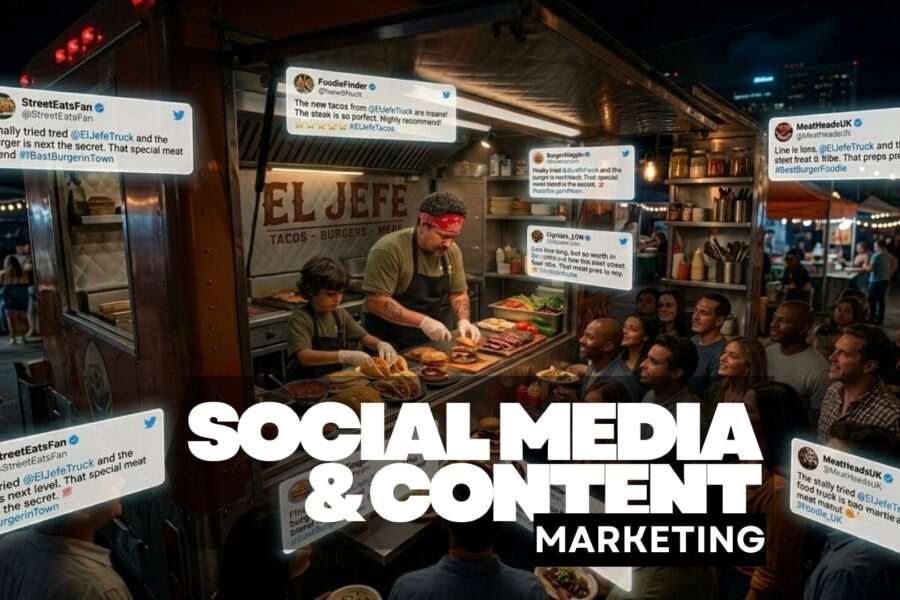
Discover how Chef (2014) demonstrates social media marketing and content marketing through storytelling, engagement, authenticity, and shareable content.
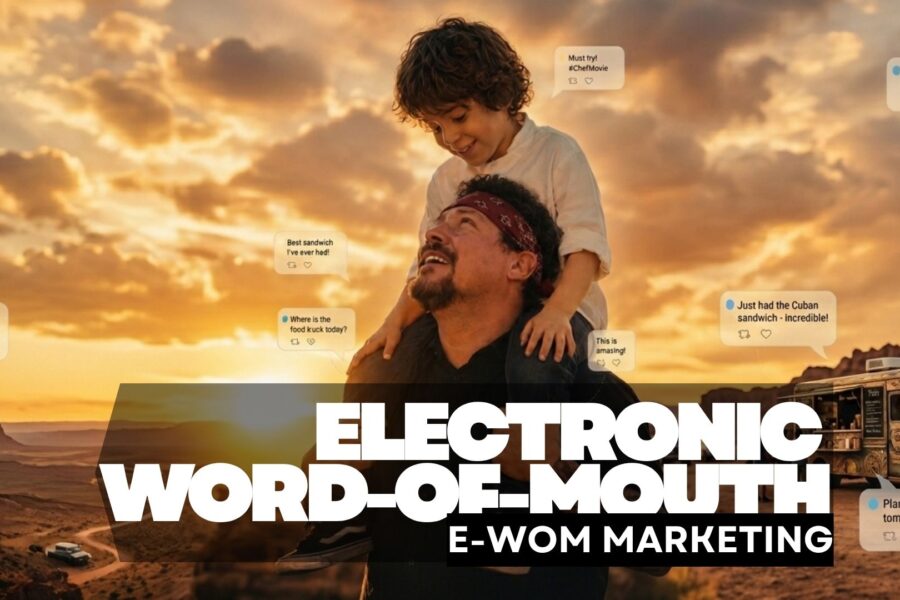
How did one viral tweet nearly destroy a chef’s career—and later help rebuild it? Explore eWOM, online reputation, and buzz in Chef (2014).
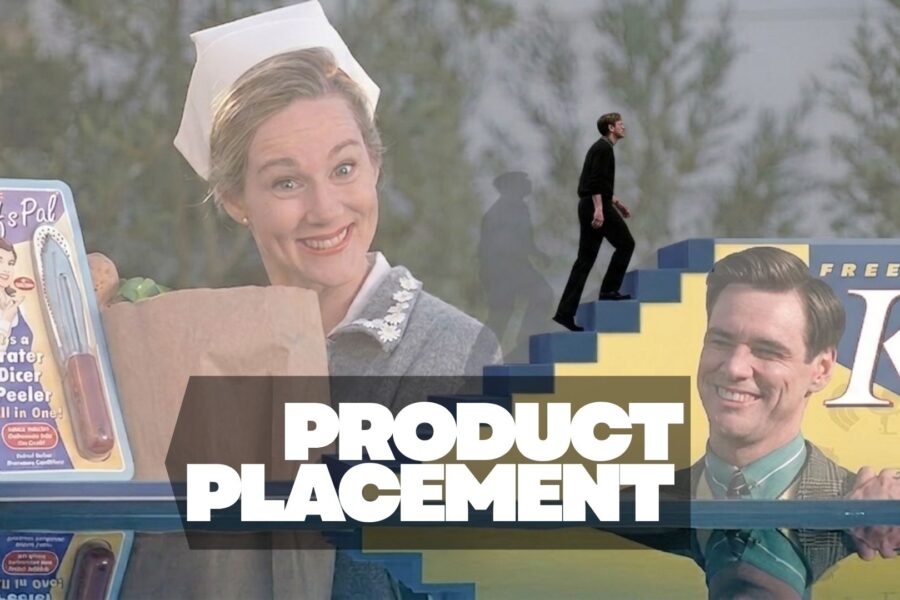
Explore how The Truman Show satirized product placement and predicted today’s influencer marketing, branded content, and native advertising strategies.