Discover how Charlie and the Chocolate Factory (2005) reflects VALS psychographic segmentation and why marketers care more about customer motivations than demographics.

Discover how Charlie and the Chocolate Factory (2005) reflects VALS psychographic segmentation and why marketers care more about customer motivations than demographics.
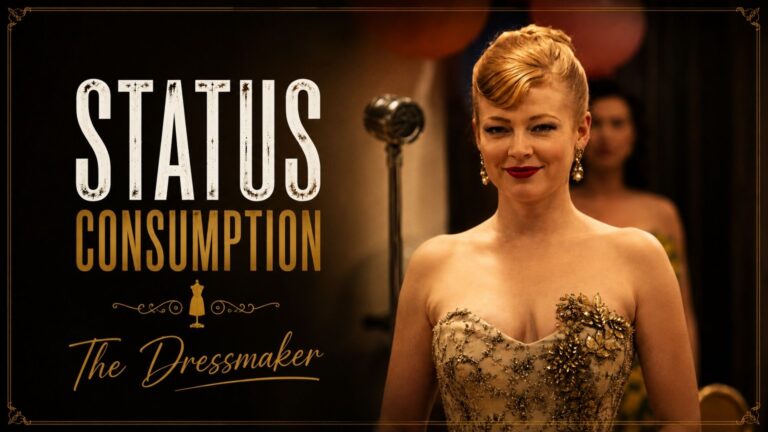
Explore the hidden marketing lesson in The Dressmaker and learn how Status Consumption shapes consumer behavior, identity, and social perception.
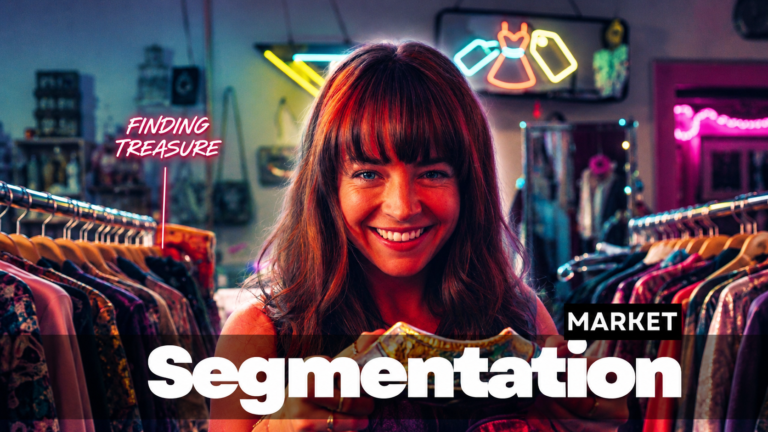
Discover how Girlboss perfectly illustrates Market Segmentation. Learn how Sophia Amoruso identified an overlooked niche and built the Nasty Gal brand.
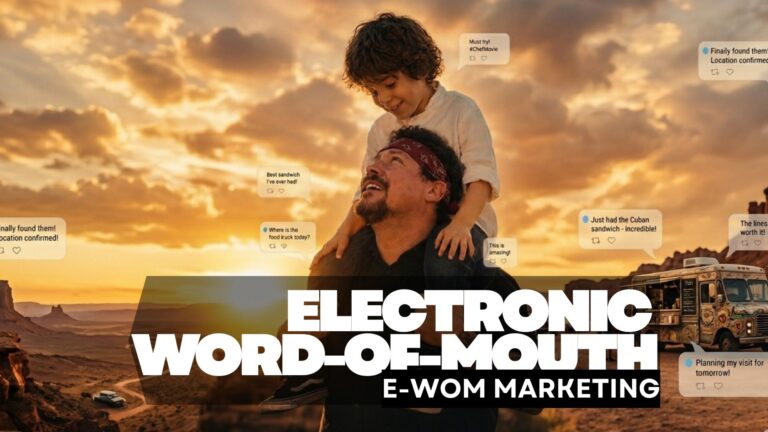
How did one viral tweet nearly destroy a chef’s career—and later help rebuild it? Explore eWOM, online reputation, and buzz in Chef (2014).

Discover how The Truman Show predicted hyper-personalization decades before social media algorithms. Explore the marketing psychology behind personalized realities and consumer behavior.
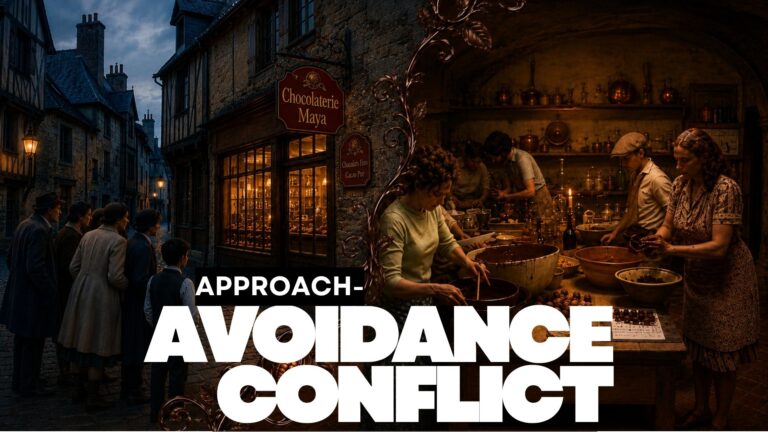
Chocolat explores Approach-Avoidance Conflict, the psychological tension that occurs when people simultaneously desire and resist the same thing. Through the villagers’ relationship with chocolate, the film reveals how attraction, guilt, temptation, and self-control constantly compete in human decision-making.
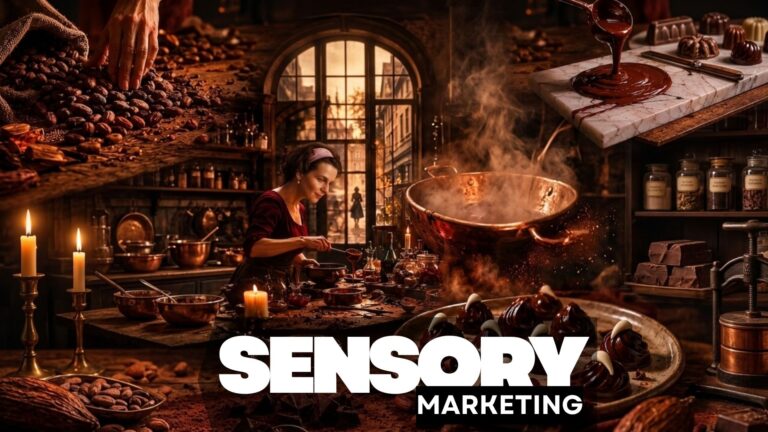
Chocolat demonstrates how sensory marketing influences people through smell, taste, touch, sound, and visual atmosphere long before logic enters the decision-making process. The film shows that the strongest brands do not simply sell products — they create emotional experiences people can physically feel.

The Circle shows how better personalization often comes at the cost of less privacy. As the platform learns more about its users, convenience improves — but personal boundaries slowly disappear.
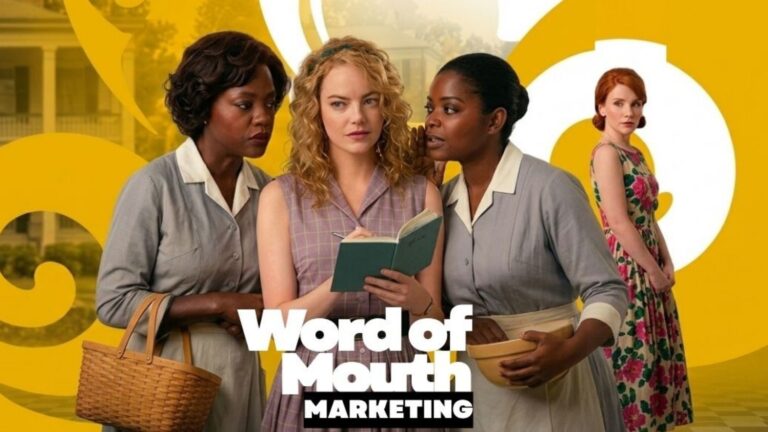
The Help shows how powerful Word of Mouth can be when a story creates real emotional impact. The film reminds us that people do not share advertisements—they share experiences, emotions, and stories worth talking about.
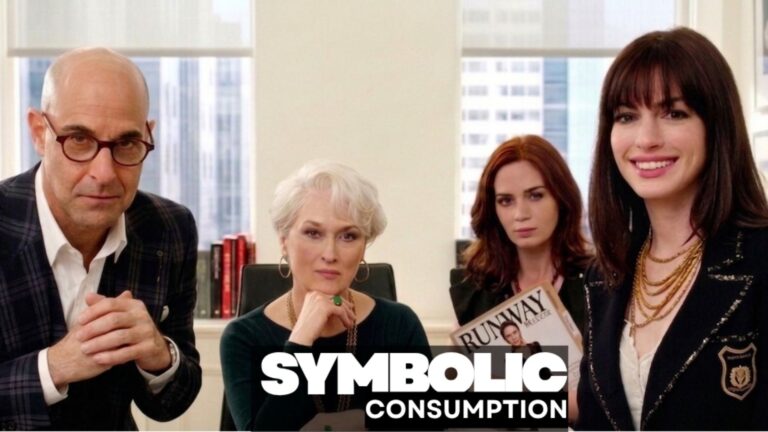
Is consumption merely about meeting needs, or is it a silent language? In this article, where we analyze symbolic consumption through The Devil Wears Prada, we explore the power of brands in identity construction and Andy Sachs’s struggle to integrate into the system.