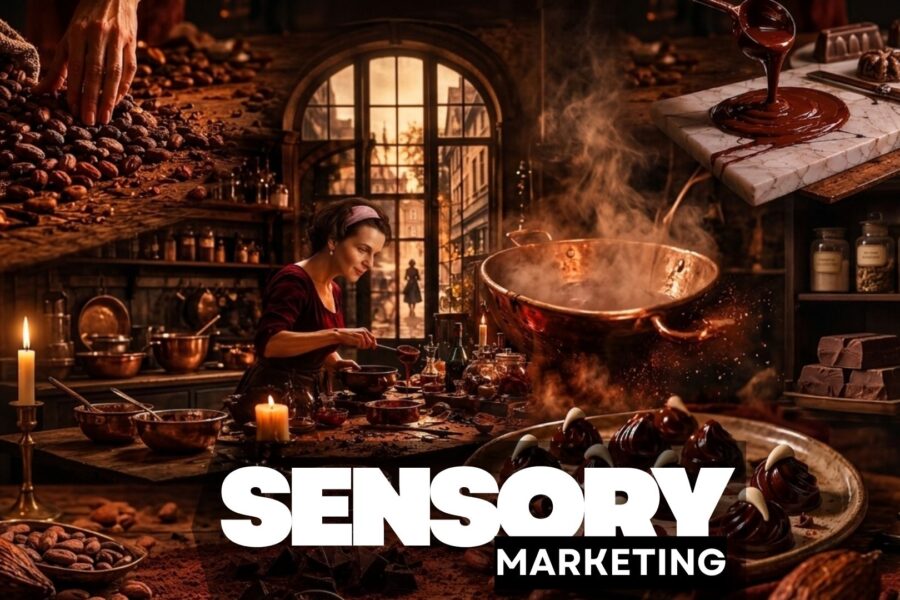


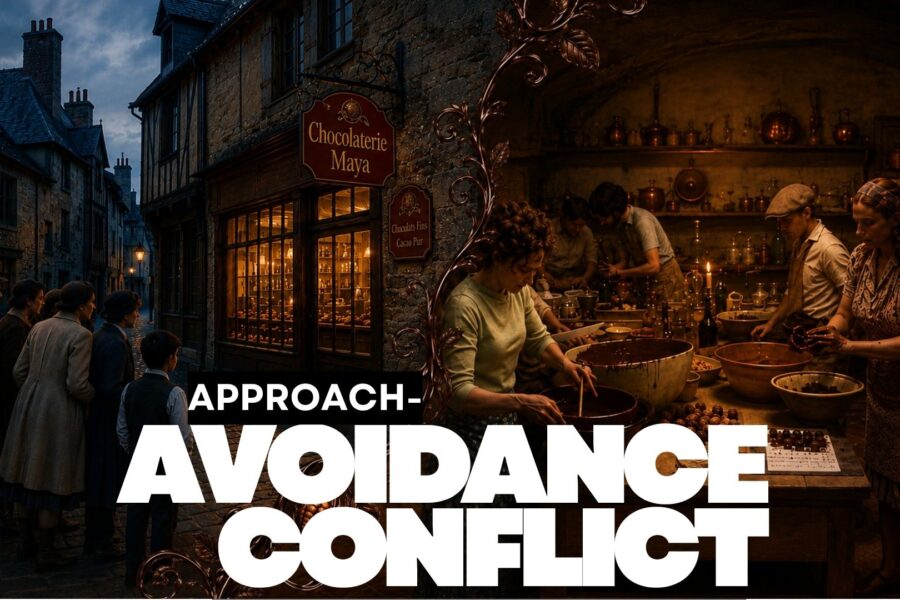
Chocolat explores Approach-Avoidance Conflict, the psychological tension that occurs when people simultaneously desire and resist the same thing. Through the villagers’ relationship with chocolate, the film reveals how attraction, guilt, temptation, and self-control constantly compete in human decision-making.
A Battle of Desire: Chocolat and Marketing’s Most Human Conflict
How Many Rules Can the Smell of Chocolate Break?
Chocolat demonstrates how sensory marketing influences people through smell, taste, touch, sound, and visual atmosphere long before logic enters the decision-making process. The film shows that the strongest brands do not simply sell products — they create emotional experiences people can physically feel.
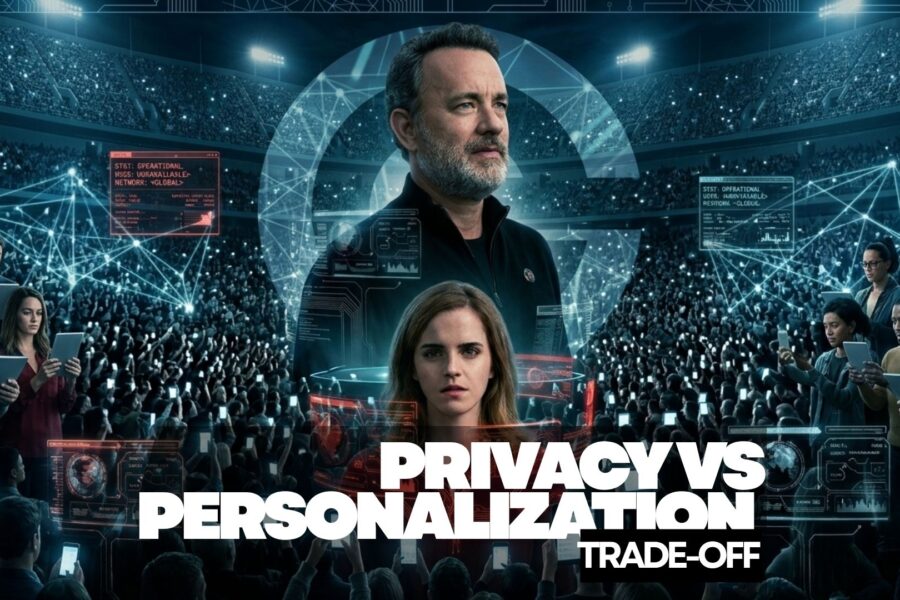
The Circle: The More We Share, the More We Stay
The Circle shows how better personalization often comes at the cost of less privacy. As the platform learns more about its users, convenience improves — but personal boundaries slowly disappear.
The Circle: When Useful Technology Becomes Unquestioned
The Circle (2017) shows how people adopt technology not through force, but through convenience, usefulness, and social integration. Using the Technology Acceptance Model, the film reveals how systems become part of everyday life when they feel effortless and valuable.
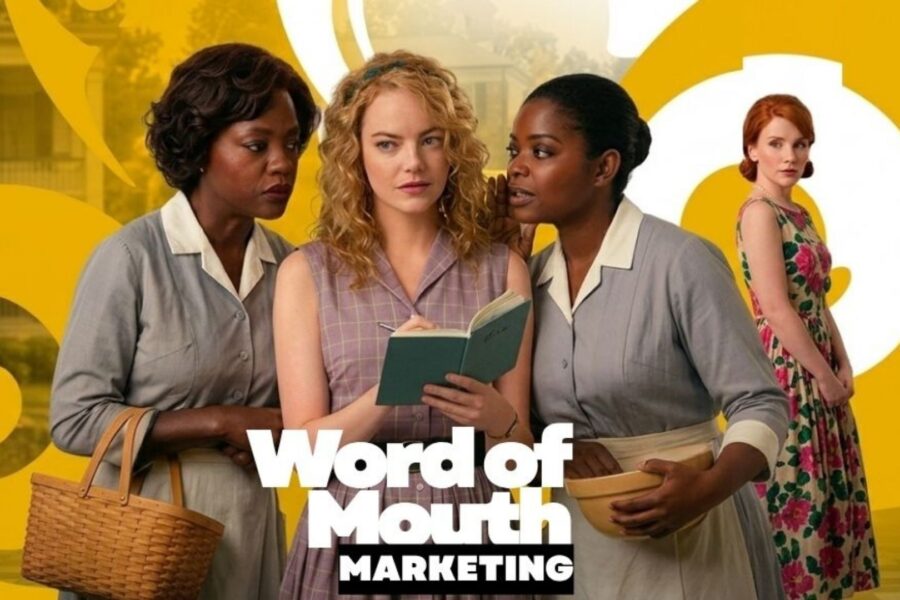
Why Do People Share Something That Was Never Advertised?
The Help shows how powerful Word of Mouth can be when a story creates real emotional impact. The film reminds us that people do not share advertisements—they share experiences, emotions, and stories worth talking about.
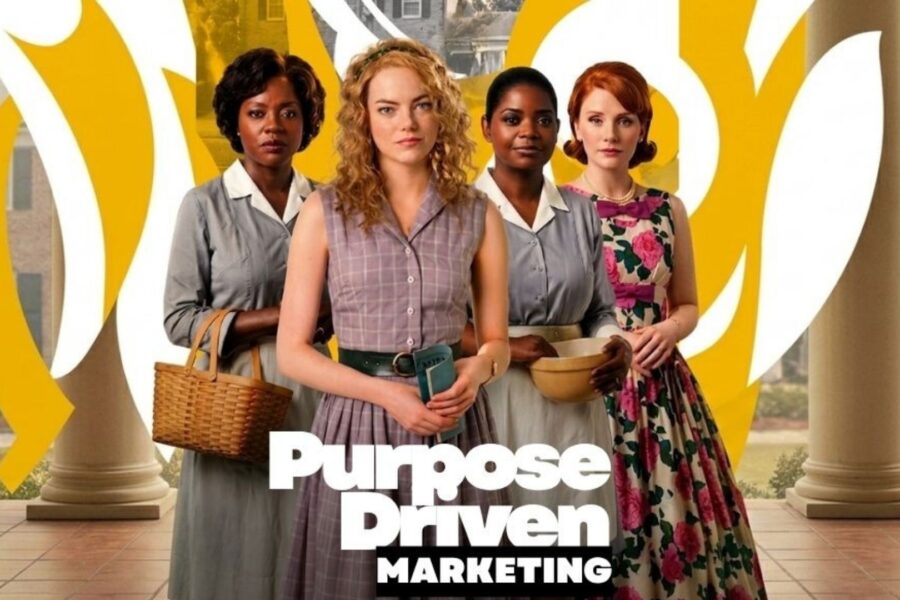
Invisible No More: How The Help Builds Purpose Through Story
Purpose-driven marketing isn’t about launching polished campaigns—it’s about challenging the status quo in ways that create real impact. As The Help shows, if your brand isn’t taking risks or driving change, it’s not purpose—it’s just marketing.
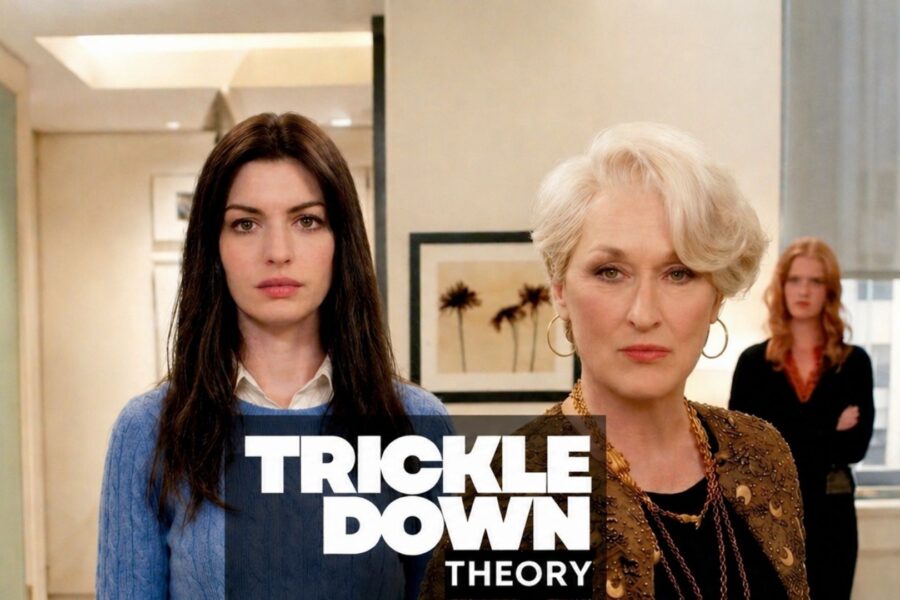
Lessons from Miranda Priestly: How Fashion Actually Moves
That color you thought you ‘randomly’ picked from your closet is actually the final link in a global marketing operation approved at a conference table months ago. Through the lens of Miranda Priestly’s Cerulean monologue, we decode the invisible hierarchy of fashion and the illusion of consumer free will via the Trickle-Down Theory.
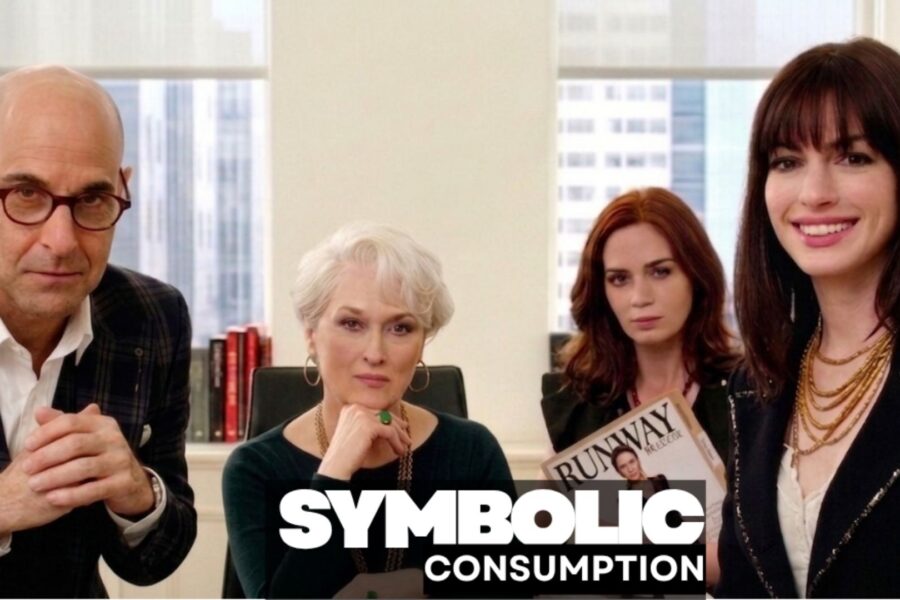
The Silent Language of What We Buy
Is consumption merely about meeting needs, or is it a silent language? In this article, where we analyze symbolic consumption through The Devil Wears Prada, we explore the power of brands in identity construction and Andy Sachs’s struggle to integrate into the system.